consistency
Members
-
Joined
-
Last visited
-
consistency changed their profile photo
-
-
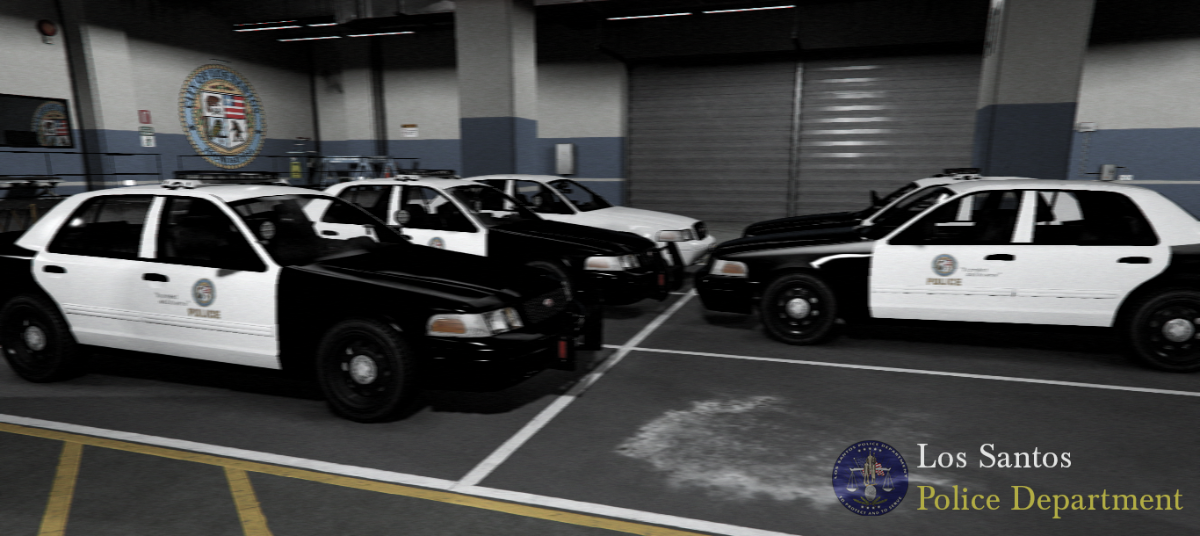
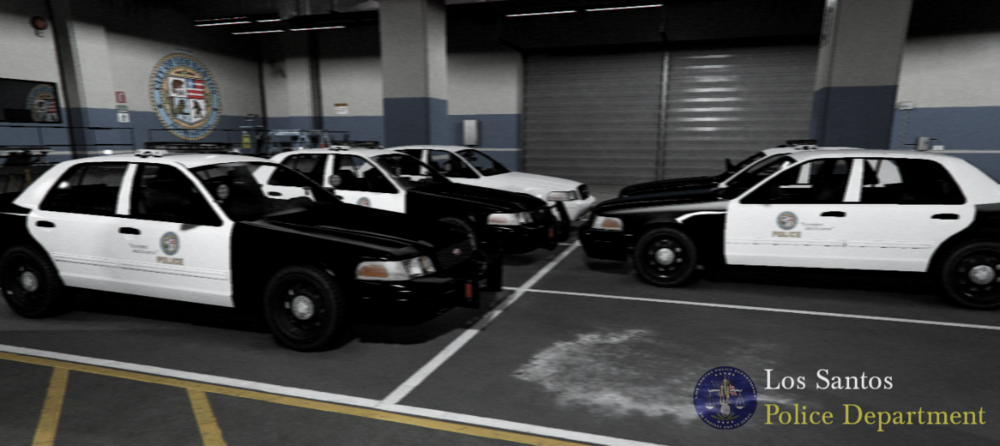
FOR IMMEDIATE RELEASE The Los Santos Police Department maintains a mixed fleet of Vapid Victor and Vapid Stanier patrol vehicles to support operational readiness across the City of Los Santos. While newer patrol platforms form the backbone of the Department’s active fleet, a limited number of Vapid Victor units remain in service in reserve and secondary roles, alongside Vapid Stanier vehicles, to ensure continuity of operations during peak demand, special deployments, and maintenance cycles. All units are subject to routine inspection and preventative maintenance by Fleet Services to meet Department safety and performance standards. The Department remains committed to ensuring reliable, mission-ready transportation for all field operations. Los Santos Police Department Media Relations Division Approved for Public Release Authorized by: Chief of Police Victor Kwan Date of Release: 04 July 2026
-
consistency joined the community
-
-
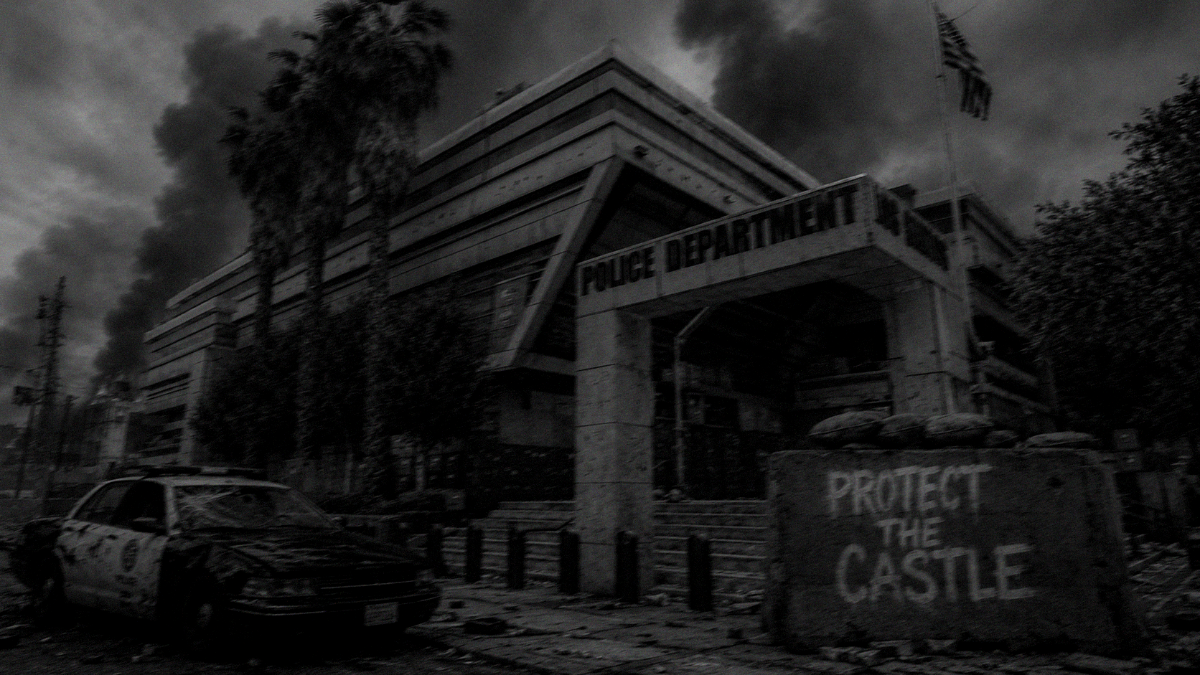
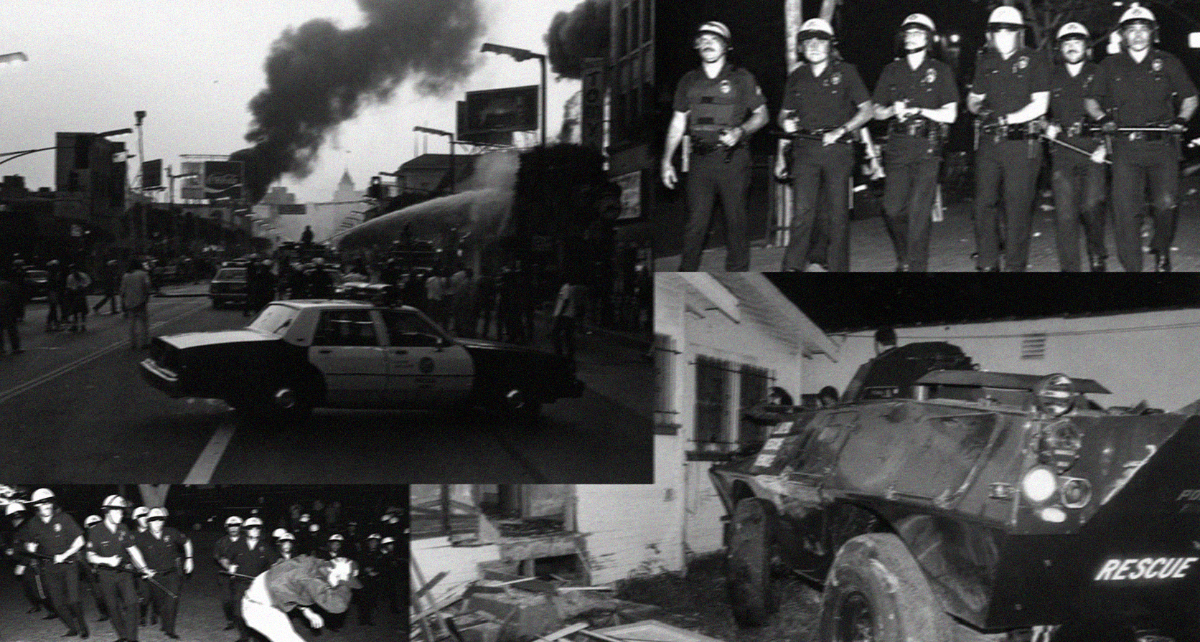
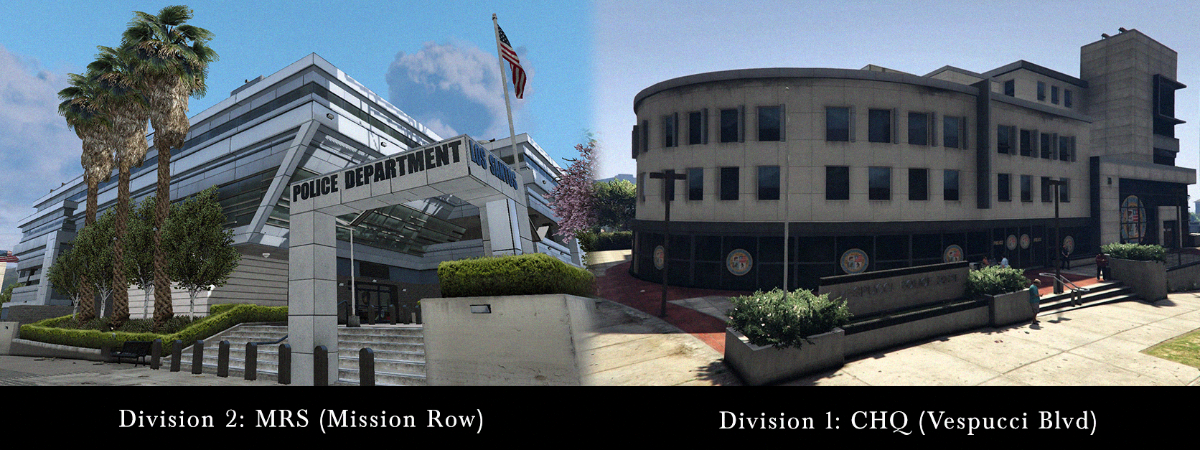
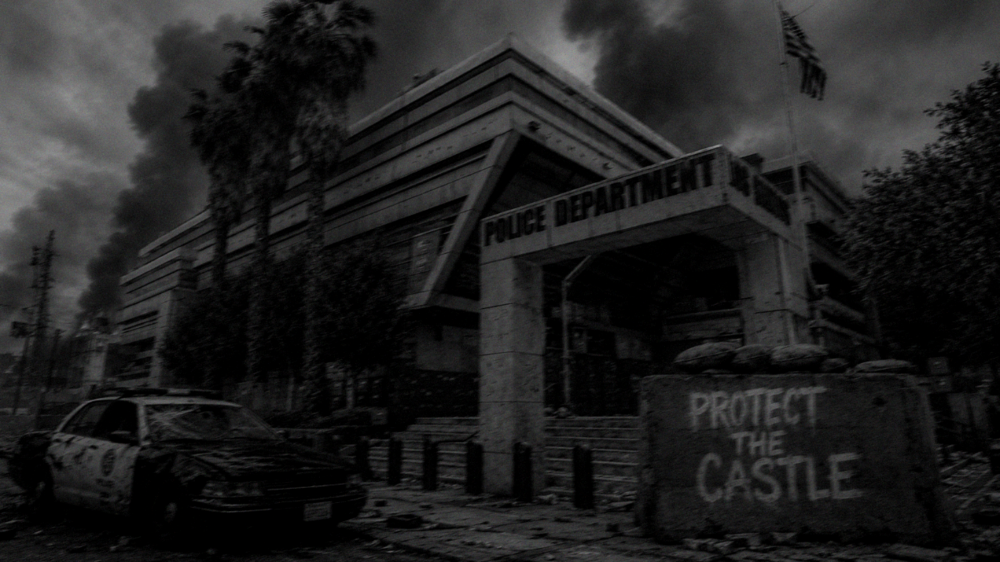
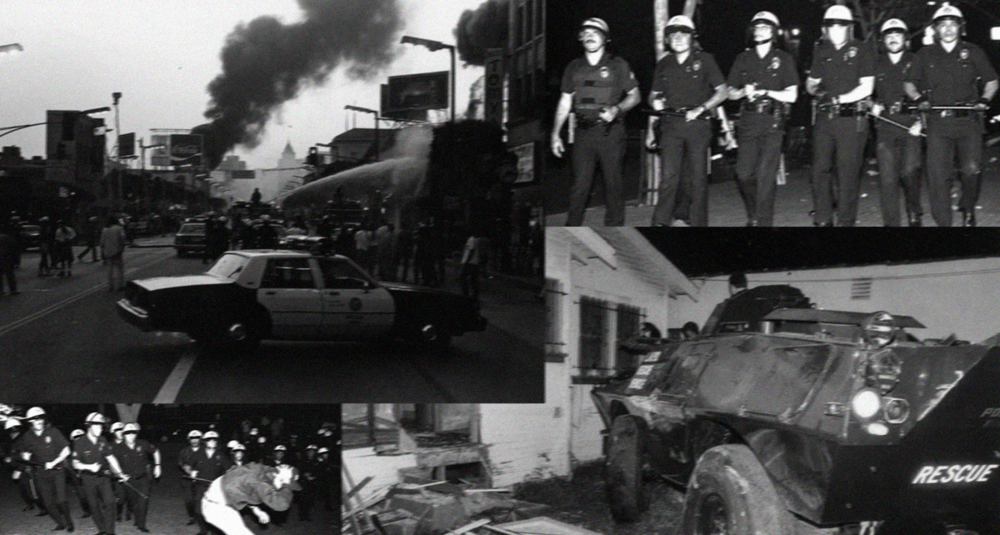
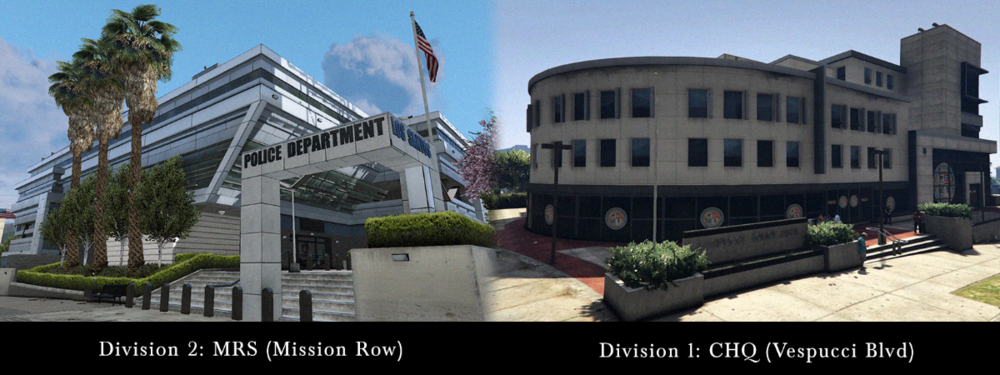
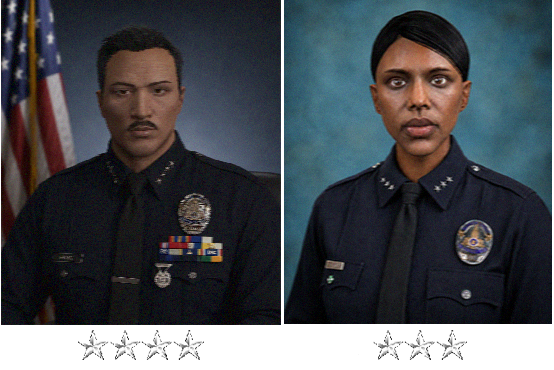
1. THE FRONTIER CENTURY (1781 — 1900) To understand the modern Los Santos Police Department, you have to look directly at the dirt it grew out of. The department's identity is tied straight to a legacy of rapid, often violent municipal expansion dating back to the very founding of the pueblo. In those early decades, formal law enforcement simply did not exist. The settlement relied on a rudimentary volunteer night watch. A handful of appointed local constables walked unlit dirt paths with basic oil lanterns and wooden clubs, doing what they could to settle local land disputes, handle public intoxication, and keep basic order in an isolated territory. The mid-1800s permanently shattered this slow-paced frontier life. The San Andreas Gold Rush and the rapid westward push of the transcontinental railroads flooded the region with unprecedented capital, thousands of industrial laborers, and an immediate surge of violent crime. Los Santos transformed overnight into a chaotic maritime and rail corridor. Gambling dens, saloons, and transit hubs became hotbeds for transient syndicates, and the old volunteer night watch completely collapsed under the sheer volume of the population boom. Realizing the municipality was on the verge of total lawlessness, the city council stepped in. In 1869, they passed the Municipal Police Act. This historic piece of legislation officially funded, equipped, and organized the city's first permanent, paid, and professionally trained police force, setting the foundational blueprint for the modern department. 2. THE MOTOR AGE & SPECIALIZATION (1900 — 1980s) The turn of the twentieth century forced the department into an era of aggressive adaptation. Los Santos was spreading outward at a relentless pace, swallowing up surrounding agricultural tracts and developing dense urban neighborhoods. Official emblem of the LSPD Traffic Division (Present) The introduction of the mass-produced automobile completely changed the mechanics of crime and public safety; traditional foot beats were no longer fast enough to cover the city's expanding borders. To keep pace, the LSPD rolled out its first motorized patrol fleet and formed a dedicated Traffic Division specifically tasked with managing the brutal gridlock, street racing, and transit accidents of a fast-moving automotive culture. 3. THE CRUCIBLE: THE 1992 SIEGE OF MISSION ROW By the late 1980s, the eastern corridors of Los Santos had reached a dangerous breaking point. A devastating crack cocaine epidemic, combined with an unprecedented surge in violent street gangs, turned the central and eastern industrial districts into an active war zone. The frontline patrol officers stationed at Mission Row Station bore the absolute brunt of this crisis. They were perpetually understaffed, working grueling double shifts, and dealing with daily firearm exchanges, yet they held the line through sheer grit. Everything fractured in the spring of 1992. Severe, widespread civil unrest tore through the city's infrastructure. Within the opening hours of the riots, major transit corridors were blocked by burning structures, public utilities failed, and the primary central police radio networks went completely dead due to repeater sabotage. Suddenly, the physical brick-and-mortar infrastructure of Mission Row Station was entirely isolated from the rest of Los Santos. The personnel inside were completely cut off, out of communication, and fully aware that no tactical backup was coming anytime soon. Instead of abandoning the Mission Row Station and retreating, the remaining skeleton crew of patrol officers, desk clerks, and shift supervisors chose to stand their ground. They barricaded the heavy lobby doors and windows with metal filing cabinets and lobby chairs, rationed their remaining tap water, and slept in shifts on the concrete floor of the locker room. Outside, patrol officers dragged disabled LSPD cruisers into the middle of the main road upfront to block the surrounding intersections, while taking heavy intermittent gunfire from neighboring rooftops for four straight days. On the third night of the stand, a frontline city police officer grabbed a can of industrial paint and sprayed a handwritten phrase across one of the concrete barriers: "PROTECT THE CASTLE" Official emblem of the LSPD Mission Row Patrol Division (Present) That grueling incident permanently transformed the internal culture of Mission Row Station and the Patrol Division. From that day forward, Mission Row was no longer viewed as just an old municipal building, but it became an unyielding symbol of street-level resilience, fierce territorial pride, and an unbreakable bond of brotherhood. 4. THE MODERN SPLIT & THE KWAN ADMINISTRATION (2000s — PRESENT) By the early 2000s, city politicians and the Board of Commissioners pushed heavily to modernize the department. Separating the political, administrative, and corporate machinery of law enforcement from the raw, daily friction of street policing. This led to a massive architectural and organizational restructuring, culminating in the construction of Central Headquarters (CHQ), designated as Division 1, located on Vespucci Boulevard. Under the current administration of Chief of Police Victor Kwan, this dual-identity has become the defining operational philosophy of the department. Chief Kwan has continuously navigated the complex line between political accountability at the corporate level and maintaining raw operational support for the frontline officers holding the streets. Portrait of Chief of Police Victor Kwan Portrait of Assistant Chief Michelle Holt 5. THE DIVISIONAL ARCHITECTURE Division 1: CHQ (Vespucci Blvd) Administrative & High-Clearance Ops, Executive Command (Office of Chief Kwan), Training & Recruitment, Internal Affairs, Major Crimes Section, & [SPECIAL DIRECTIVE: ████] Division 2: MRS (Mission Row) Frontline Street Operations, Uniformed Patrol, Traffic Division, Gang & Narcotics Division (GND/GIT), Area Detectives The 114 Compound (La Mesa) Special Operations & Tactical, SWAT, K9 Platoon, Bomb Squad, Underwater Unit In order to preserve absolute operational security, the high-clearance investigative arms of the Detective Bureau, the citywide Major Crimes Section and the compartmentalized operations of ████ (classified under City Charter Administrative Exception) were also permanently consolidated at CHQ. This massive administrative shift left the historic brick and concrete of Mission Row Station (Division 2) to do what it has always done best: handle frontline street policing. It remains the raw, beating heart of the department, housing standard Patrol, Traffic, the specialized Gang Impact Team (GIT), and the local city-based Area Detectives. Meanwhile, the Metropolitan Division outgrew its old offices entirely, moving into its own highly secure tactical compound in La Mesa while keeping their historic "114" designation. 6. The LSPD Today The suits, logistics managers, and high-profile investigators run the corporate engine from the offices of CHQ on Vespucci under Chief Kwan's command. Yet the actual heartbeat of the department is still found on the asphalt, deploying tirelessly and every single day from the brutalist walls of Mission Row Station. For the patrol officers working the midnight watch, running a Division 2 callsign isn't just a simple identifier on a dispatch monitor. It means you belong to The Castle. It means you carry the legacy of the street cops who refused to let the line break. Los Santos Police Department Media Relations Division Approved for Public Release Authorized by: Chief of Police Victor Kwan Date of Release: 02 June 2026



-
.leadership-update, .leadership-update * { box-sizing: border-box; } .leadership-update { width: 100%; max-width: 1090px; margin: 0 auto; padding: 32px 24px; color: #ffffff; font-family: Arial, sans-serif; } .leadership-update__title { margin: 0 0 16px; font-size: 24px; line-height: 31px; font-weight: 700; letter-spacing: 0.04em; } .leadership-update__copy { margin: 0; font-size: 14px; line-height: 22.75px; } @media (max-width: 600px) { .leadership-update { padding: 24px 16px; } .leadership-update__title { font-size: 21px; line-height: 28px; } } (( AN UPDATE FROM LEADERSHIP )) Applications remain closed while the department is being set up. Most of the remaining work concerns the forums, which are central to the department. We have chosen to integrate them with the rest of the department's workflow so they are easy and practical to use, with automation supplementing personnel. Submissions for new vehicles, clothing, and mapping are also underway. We look forward to opening applications once this work is complete and the department is ready to welcome new members.
-
Reserved
-
The Los Santos Police Department is based on and inspired by the Los Angeles Police Department. We strive to accurately and realistically portray the LAPD. Founded in 1869, the LAPD is one of the oldest law enforcement agencies in the United States. Having a documented history of systematic corruption, discriminating policing and police brutality, the LAPD was placed under federal oversight in 2001 by the U.S. Department of Justice. It then went on to see numerous large reforms up until 2013, turning it into the transparent and diverse department that it is today. With nearly 9,000 officers and 3,000 civilian staff, it is the third largest municipal police department in the United States. Its rich history, culture and traditions, as well as its iconic motto "To Protect and to Serve", makes the LAPD unrivaled . The department is organized under Bureaus. These cover all aspects, requirements and services needed to is function as a municipal police force for a city the size of Los Santos requires: Administrative Services Bureau Counter-Terrorism and Special Operations Bureau Detective Bureau Operations-West Bureau Professional Standards Bureau The department is administered and lead by Bureau Chiefs and overseen by the Chief of Police. Collectively they lead the department as Staff Officers. STAFF OFFICERS make up the upper management and leadership of the Los Santos Police Department. They are experienced leaders who have direct responsibility for Bureaus and all areas of the Department. Staff Officers consist of the Chief of Police, Assistant Chiefs and Deputy Chiefs. COMMAND OFFICERS are the divisional leadership of the Department. They have responsibility of directing activities related to programs & divisions that function under a Bureau and will commonly report to the Bureau Deputy Chief. Command Officers consist of Police Commanders and Police Captains. POLICE SUPERVISORS are responsible for the supervision of department personnel, most commonly field supervision. Supervisors are plotted around the department in different assignments. They are considered the middle management of the Los Santos Police Department and are considered the first layer of management of police resources, staff and deployment initiatives. POLICE DETECTIVES Are assigned to one of the investigative bureaus throughout the LSPD. They are responsible for conducting follow-up investigations through case analyses, witness and crime-victim interviews, and attending court hearings related to the case. POLICE OFFICERS are the Department's boots on the ground. They patrol city-wide and often operate under geographic patrol divisions to conduct patrols, respond to calls for service and create reports They can also have numerous specialized assignments, such as traffic or gang enforcement. Employees are considered the largest and fulfil the basic, yet most important functionality of the LSPD. Operations-West Bureau (OWB) is one of four geographical bureaus of the Los Santos Police Department. Operations-West Bureau's mission is to support, encourage, and empower all Areas and Divisions in the west of Los Santos to work in partnership with the diverse residential and business communities of the Bureau to improve the quality of life, enhance public safety, and reduce the fear and incidence of crime. Operations-West Bureau is led by a Deputy Chief, who reports to a Assistant Chief. Operations-West Bureau consists of the Olympic Patrol Division and the West Traffic Division. Olympic Patrol Division (OPD) provides uniformed patrol under the Olympic Area, which includes responding to calls for service, creating reports, suppressing and deterring crime within and other field activities. The West Traffic Division (WTD) provides traffic enforcement in all of Operations-West Bureau, which includes patrolling to increase visibility, speed enforcement, DUI checkpoints, and more. The West Traffic Division also has the capability of forming specialized taskforces to target specific types of traffic-related crimes, such as auto theft rings or illegal street racing. The Detective Bureau (DB) is one of the Department's two citywide bureaus and provides functional leadership over all detective operations. The Chief of Detectives is responsible for the management, supervision, and coordination of the Bureau's investigative activities. The Detective Bureau is composed of multiple specialized divisions and units, each tasked with handling specific categories of crime and complex investigations across the city. Gang and Narcotics Division Gang and Narcotics Division (GND) is responsible for disrupting violent street gangs and the means by which they support their lifestyle, including the manufacture, transportation, sale and use of illicit drugs, and sales of firearms in the greater Los Santos area. GND's enforcement efforts also focus on street-level enforcement strategies to effect a reduction in crimes, thereby resolving community problems and facilitating uniformed officers' involvement in narcotics and gang enforcement. LAPD GND coordinates in 15 task forces and/or memoranda of understanding/agreement with different agencies. Olympic Area Detective Division Olympic Area Detective Division (OADD) is responsible for investigating burglary, robbery, homicide, as well as missing persons, hate crimes, threats made to public officials and prominent persons, aggravated stalking, piracy and counterfeit sales and goods, animal cruelty, pimping and pandering, prostitution within its jurisdiction. OADD works closely with patrol and specialized investigative divisions to identify suspects, dismantle criminal operations, and prepare cases for prosecution. Detective School The Los Santos Police Department's Detective School equips its candidates with essential knowledge, enabling them to proficiently execute the responsibilities of an investigator upon successful graduation from the program. Forensic Science Division The Forensic Science Division (FSD) is responsible for the forensic science that is a critical element of the criminal justice system. Forensic scientists examine and analyze evidence from crime scenes and elsewhere to develop objective findings that can assist in the investigation and prosecution of perpetrators of crime or absolve an innocent person from suspicion. The Counter-Terrorism and Special Operations Bureau (CTSOB) is tasked with preventing terrorism by effectively sharing information aimed at disrupting terrorist's operational capability and addressing the underlying causes associated with the motivational component; to Protect the public and critical infrastructure by leveraging private sector resources and hardening targets; to Pursue terrorists and those criminal enterprises that support them; and, to Prepare the citizenry and the city government for consequences associated with terrorist operations against the city. The Bureau is comprised of Metropolitan Division and Air Support Division. Metropolitan Division The Metropolitan Division was created in 1933 as a compact, mobile crime-fighting unit that worked throughout the city to suppress criminal activity. Today, the primary responsibility of Metropolitan Division is to provide support to the Department's community-based policing efforts by deploying additional crime suppression resources throughout the city to target high-crime areas. Assignments include uniformed crime suppression details, counter assault teams in high-crime areas, security at large public events, response to high-risk barricaded situations, hostage situations, stakeouts, security details and high risk warrant service, Air Support Division The Air Support Division (ASD) provides air support to patrol and specialized units across all four geographic areas of the Department. It is the largest municipal airborne law enforcement organization in the United States and operates out of the LSPD Hooper Heliport. ASD includes ASTRO which provides air support to patrol in form of responding to calls for service and deterring crime, and APT which is a specialized unit that provides support to the surveillance and tactical units of the Department, such as D-Platoon. The Administrative Services Bureau (ASB) is responsible for all administrative tasks of the Department, which includes overseeing the Department's records management, recruitment and employment, and in-service training. The Bureau oversees sworn and civilian employees in a wide variety of administrative and support functions in the Department. Basic Supervisor School The Basic Supervisor School provides training and guidance to its candidates and allows employees to perform the duties of a field supervisor following successful graduation from the school. The process consists of an entry exam and multiple patrols to test and evaluate the supervisory skills of the candidate. Recruitment and Employment Division The Recruitment and Employment Division (RED) is responsible for processing administrative tasks in relation to recruitment and employment, to provide guidance and respond to inquiries from candidates that are received by telephone, e-mail or correspondence and mentor candidates as they progress through the selection process and conduct oral interviews. Field Training Program The Field Training Program (FTP) consists of observation and instruction and is intended to facilitate a probationary officer's transition from the academic setting to the performance of general law enforcement uniformed patrol duties. Communications Division The Communications Division (CD) serves as a support entity for the entire Los Santos Police Department. It provides some of the most crucial functions to the Department's daily operations in the form of Radio Telephone Operators (RTO) who answer 9-1-1 calls and dispatch patrol units. Urban Police Rifle (UPR) School The Urban Police Rifle (UPR) School provides the knowledge and skills necessary to safely deploy a 5.56 or .223 caliber rifle both in tactical and patrol applications. The UPR School functions as a part of the Training Division This sector within Los Santos Police claims to uphold the professional and ethical standards that improve discipline procedures and employee and personnel training. The Professional Standards Bureau is responsible for investigating allegations of officer misconduct, policy violations, and ensuring all department personnel adhere to the highest standards of conduct. We maintain transparency and accountability through rigorous internal investigations and community oversight. Our commitment to professional excellence includes comprehensive training programs, regular policy reviews, and collaboration with community stakeholders to build trust and ensure fair, equitable policing practices throughout Los Santos. The Los Santos Police Department has established faction lore for it and it's members to use and reference when roleplaying the ins-and outs of a Police Officer. The faction lore is inspired by events and moments of significance of the Los Angeles Police Department TO BE DETERMINED OUR COMMITMENT While another project came to an unfortunate but predictable end, our promise is to finish what we started here and build, maintain, and grow a faction focused on quality police roleplay. The foundations established previously for another project were thought-out and as such we've decided not to re-invent the wheel but build on the foundation. Those familiar with our previous runs will know that we intend to run the faction in a similar way while avoiding past mistakes. We are working on a forum that will be central to the department, with improvements we could not make before. Once it is ready, we will open applications. We've committed to setting a higher standard for the portrayal of law enforcement and we intend to follow through on this. We educate our faction members to follow the rules, but we recognize this is not enough to guarantee abuse of power. We've made it clear since the relaunch was announced that we will not tolerate those who wish to exploit the power invested in them. Accountability is a two-way street, and we want to emphasize that while the faction is structured to oversee itself we cannot detect all wrong-doing without a heads up. Should you as a player believe that faction members are breaking the rules we urge you to come forward in the form of a Forum PM to @Consistency Thread Design and Implementation: @Justitiae @Consistency Inspiration: https://lapdunrivaled.com/ Screenshots & Video: @Jones @Valox @Consistency Faction Leadership: @Consistency @Justitiae @Furkan @Maroon @Mhrhan READY TO MAKE THE MOVE? "To protect and to serve." Start your application today to take the first step towards your future. ANSWER THE CALL Privacy Policy TAKE YOUR FIRST STEP PATROL TRAFFIC SWAT K9 AIR DETECTIVE